Compliance writing and the tools we use with clients.
Practical posts on CPOM, PC/MSO structure, marketing, credentialing, and payors — plus downloadable checklists and state-by-state tools.
From the blog.

What a Corrective Action Plan Is—and Why Your Company Needs a Process for It
A corrective action plan is not punishment. It is a documented process for finding compliance gaps, fixing them, proving the fix, and preventing the same issue from returning.

Telemedicine Startups: California Just Made Your Next Deal and Your MSO Structure a Legal Liability
California's OHCA transaction notice rules, SB 351, and AB 1415 now put PE- and VC-backed telemedicine platforms and their MSO structures under direct state scrutiny — plus what Oregon, Washington, and the DEA are doing next.

Eli Lilly Sues Six Retatrutide Sellers: What the Filings Mean for Med Spas, Compounders, and Telehealth
Eli Lilly filed six lawsuits over black-market retatrutide and referred 200+ individuals and entities to regulators and licensing boards. Here is what is actually in the filings, why the manufacturer was always the more likely plaintiff, and the sourcing, marketing, and structure review med spas, compounding pharmacies, and telehealth operators should run now.

Claims-Made vs. Occurrence Malpractice Coverage for Telemedicine Clinicians
A plain-language explainer on claims-made vs. occurrence malpractice coverage, tail endorsements, retroactive dates, and what changes in telemedicine.

Website Accessibility for Healthcare Practices: Serial Lawsuits vs. What the Government Actually Requires
ADA website lawsuits and the HHS Section 504 web rule are two different problems. What healthcare practices owe, the 2027 and 2028 deadlines, and what to do.

What the FTC Lawsuit Against Hims & Hers Means for Telehealth Companies
The FTC sued Hims & Hers under Section 5 and ROSCA, not telehealth law. What it signals about tracking pixels, intake-to-charge billing, and MSO/PC exposure.

What LegitScript Certification Actually Is, When You Need It, and How to Get Through It
LegitScript certification, explained plainly: what it is, why Stripe and Meta require it, who actually needs it, and how to prepare so the audit does not derail you.
ADA Website Accessibility Lawsuits Are Rising. What Private Practice Clinicians Need to Know.
ADA website accessibility lawsuits rose 27% in 2025. Here's what private practice clinicians need to know about WCAG, demand letters, and real risk reduction.

Beyond CPOM and Supervision: Why Specialty and Scope of Practice Decide Whether a Practice Holds Up
A clean CPOM and supervision setup can still fail. Specialty, scope of practice, and facility rules decide whether your clinical model actually holds up.

What Is a Superbill? Why Cash-Pay Practices Still Need One
A superbill is an itemized patient receipt that unlocks HSA, FSA, and out-of-network reimbursement. Here's what cash-pay practices must include.

DEA Registration for Telehealth Prescribers: What Digital Health Companies Should Fix Before 2027
The COVID-era DEA telemedicine flexibilities expire December 31, 2026. Here is what digital health platforms should audit now — registration geography, home addresses, state CSRs, and PDMP workflow — before the rule tightens.

The Carbon Health CPOM Settlement: What It Means for Telemedicine and Digital Health using friendly PC/MSO model
California's $4.5 million settlement with Carbon Health is the first time the Attorney General has forced a company to tear down and rebuild a friendly-PC structure. Here's what telemedicine founders need to know.

Retatrutide and Compounding: What the Regulations Say and the Enforcement Records are Showing
An educational overview of the regulatory and enforcement landscape around retatrutide — what the FDA warning letters, state pharmacy records, and testing data actually show.

Restricted Transfer Agreements in MSO/PC Structures: What They Do, Why California Is Different, and Why the AG Just Sent a Warning Shot
If you operate a friendly PC structure, there is a document in your stack that almost nobody outside the deal team ever reads. It goes by several names: restricted transfer agreement, stock transfer restriction agreement, succession…
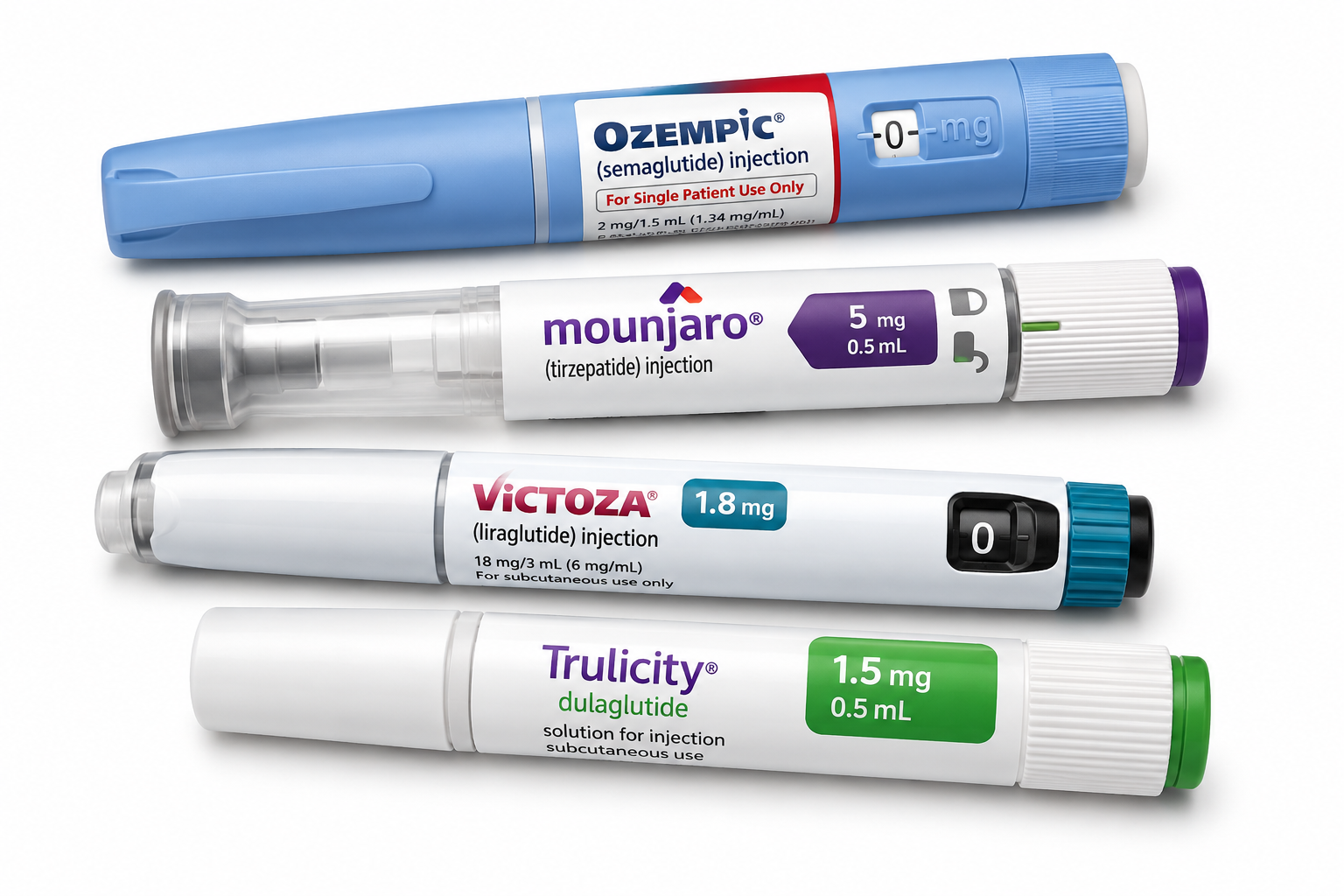
How to Get GLP-1 Coverage on Medicare in 2026: A Provider's Guide to the New Bridge Program
For as long as GLP-1 medications have existed, the answer to "does Medicare cover this for weight loss" has been no. Not because of a coverage policy anyone could appeal, but because federal law excludes drugs used for weight loss from…

Telehealth Provider Misclassification: What the Cioppettini v. Mochi Medical Lawsuit Means for 1099 Clinician Contracts
Almost every telehealth company I work with pays at least some of its clinicians on a 1099. Usually the reasoning is the same. The clinicians set their own hours, they work for other companies too, they are licensed professionals…

Medvi and Zealthy: What Every Telehealth Founder Needs to Learn From Compliance Investigations in 2026
Two telehealth companies were in the news this spring for very different reasons and at very different stages of trouble. One received an FDA warning letter as part of a broad enforcement sweep and has faced press scrutiny over its…

How to Start a Medical Practice in 2026: A Complete Guide
The full sequence for launching a practice in 2026 — model, entity structure and CPOM, licensure and DEA, contracts, insurance, banking, technology, credentialing, telehealth, and growth — with a realistic timeline and the mistakes we see most.

Building a Team for a Start-Up: Healthcare Edition
Every healthcare company runs on the same seven departments. A full unit-by-unit breakdown of product, technology, operations, marketing, sales, support, and finance for private practices and digital health start-ups.

What Is a UPIC Audit? Everything Private Practice Owners Should Know
Most billing reviews are a nuisance. A UPIC audit is a different category of event, and the difference is worth understanding before one arrives rather than…
The Final Step Most Miss: Mandatory Board Submissions for NP and PA Collaborative Agreements
A signed collaborative or supervision agreement is not always the last step. Many states require notification, registration, or board approval before an NP or PA sees patients — here is how to check, who files, and what triggers a new submission.
State-by-state ownership & oversight.
Checklists, state maps, and review tools.
The same resources we use with clients — free to reference, built to be used.
Telehealth Compliance Guardrails
A client-ready overview of structure, licensure, prescribing, technology, privacy, payments, compounding, and peptides.
OpenMSO & Friendly PC Contracts
The contract stack + PC setup checklist we use with digital-health and multi-state operators. Emailed as a PDF.
OpenCPOM Compliance Checklist
The 47-point PC/MSO checklist we use with clients — structure, ownership, MSA, documentation.
OpenCPOM by State
Ownership, fee-splitting, and MSO posture in all 50 states, updated as rules change.
OpenBoard Submission by State
What each medical board actually wants at licensure and expansion — filings, timelines, common denials.
OpenQuarterly Attestations
The recurring physician-oversight cadence — signed minutes, chart-review logs, OIG/DEA re-checks.
OpenPrivate Practice Stack
The operational + compliance stack we build with independent practices, end to end.
Open